Category: Beaches

Sri Lanka’s coastline, from the south coast to the east.

  • Hiriketiya, Sri Lanka: The South Coast’s Surf Town Guide

    Hiriketiya, Sri Lanka: The South Coast’s Surf Town Guide

    Hiriketiya wasn’t on most Sri Lanka maps a decade ago, and it still isn’t trying that hard to be found — there’s no main street to speak of, just a handful of guesthouses and juice bars strung along a perfectly curved horseshoe bay a few kilometers off the main coastal highway. That’s precisely the appeal. While Mirissa and Weligama have grown into the south coast’s busiest beach towns, Hiriketiya has stayed small on purpose, and travelers who find it tend to stay longer than they planned.

    It works especially well as a slower counterpoint to a busier itinerary — the place you land after a few fast-paced days in the Cultural Triangle or hill country, when what you actually want is a bay small enough to swim across and nothing on the schedule.

    Why Hiriketiya Belongs on a South Coast Itinerary

    The bay’s horseshoe shape does two things most straight beaches can’t: it creates a gentler, more consistent wave that suits learners and longboarders, and it means you can watch the entire beach — surfers, swimmers, sunset — from a single spot without moving. Add the backwater lagoons just inland, largely unexplored by day-trippers, and Hiriketiya offers more range than its small footprint suggests.

    Curated Highlights: Where to Spend Your Time

    Surfing the Horseshoe, Beginners Included

    Hiriketiya’s wave breaks both left and right off a sandy bottom, which makes it considerably more forgiving than the reef breaks found elsewhere on the south coast — a genuine reason it’s become a first-choice spot for people learning to surf in Sri Lanka. Board rental and lesson stalls line the northern end of the bay; mornings before the onshore wind picks up tend to offer the cleanest conditions.

    The Backwaters, Away from the Beach Crowd

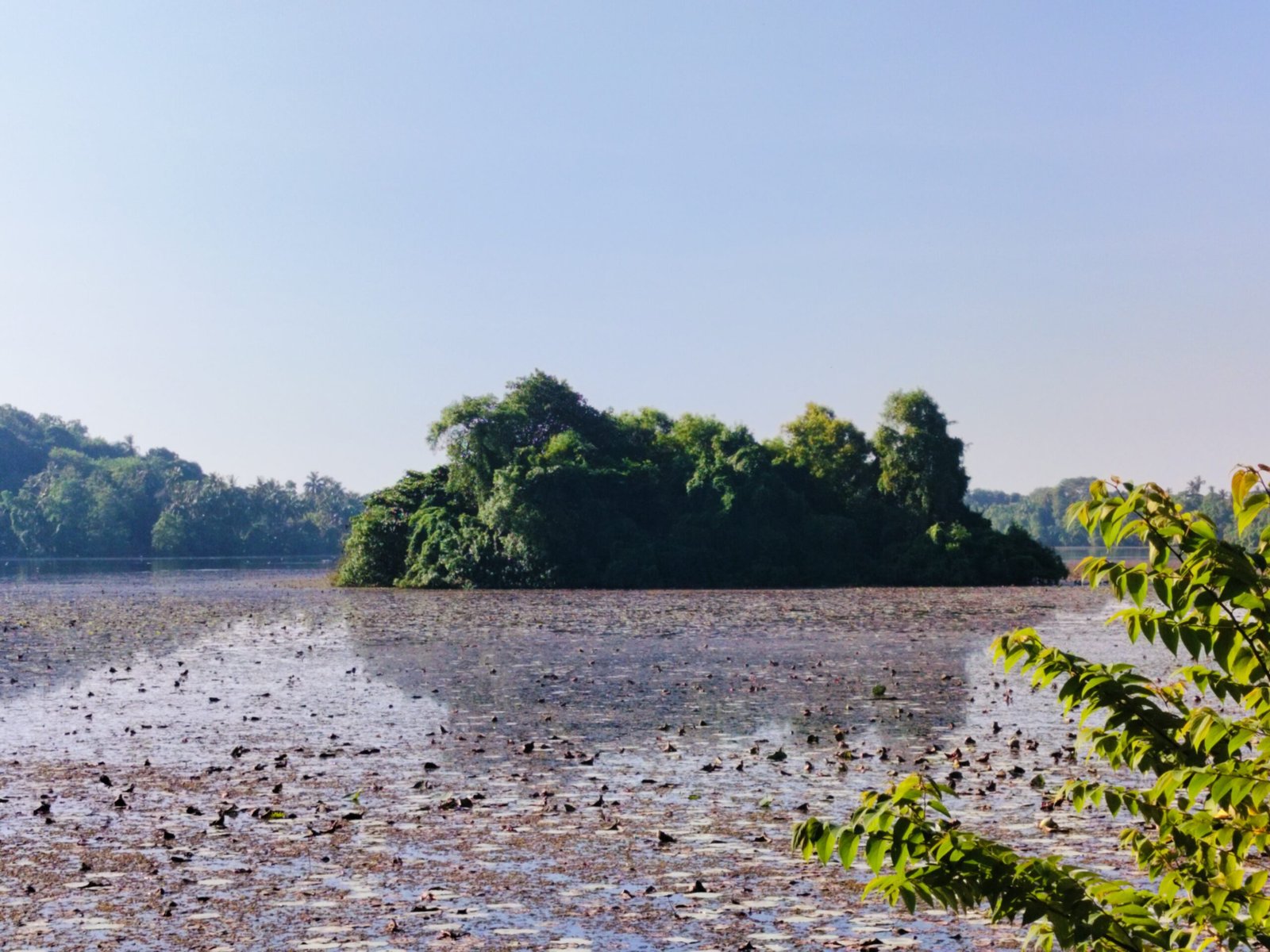
    A short tuk-tuk ride inland, palm-fringed backwater lagoons offer a completely different register from the beach — still water, mangroves, and none of the surf crowd. A slow paddle or a quiet boat ride through them in the late afternoon, when the light softens and the water turns glassy, is one of the area’s most underrated hours.

    Palm-fringed backwaters near Hiriketiya on Sri Lanka's south coast

    Dalawella & the Coconut Tree Swing, Early

    A short drive west, Dalawella’s famous rope swing over the beach is one of the most photographed spots on the south coast — and predictably crowded by mid-morning. Go at sunrise instead, when the light is better and you’ll likely have it to yourself, then pair the visit with breakfast at one of the beachfront cafés nearby before the day’s heat sets in.

    Galle Fort, Forty Minutes Away

    Hiriketiya sits close enough to Galle Fort to fold in a half-day trip without disrupting the slow pace that’s the whole point of staying here — ramparts at golden hour, Dutch colonial architecture, and a lighthouse walk that’s more atmosphere than spectacle. Late afternoon into sunset is the better window; the cobblestone streets get uncomfortably hot at midday.

    The Traveler Angle

    • Learner surfers get more consistent, forgiving conditions here than at most other south coast breaks — a genuinely good place to take your first few lessons rather than being intimidated by a reef break.
    • Digital nomads and slow travelers tend to stay far longer than planned — the town has enough café and co-working infrastructure now to support a multi-week stay without feeling isolated.
    • Couples wanting a quiet coastal stop should treat Hiriketiya as the “do nothing” leg of a longer itinerary — it pairs naturally with a faster-paced Cultural Triangle or hill-country stretch earlier in the trip.

    Practical Travel Logistics

    • Getting there: About 2.5–3 hours from Colombo via the Southern Expressway, roughly 20 minutes past Mirissa and Weligama.
    • Best season for surf: November through April, in line with the south coast’s dry season; the biggest, most consistent swells arrive toward the tail end of that window.
    • Getting around locally: The bay itself is walkable; tuk-tuks cover trips to the backwaters, Dalawella, or Galle Fort.
    • What to know: The bay is small and can feel busy at peak times (Dec–Feb) despite its size — book accommodation ahead if a specific guesthouse matters to you.

    Plan It Properly

    Hiriketiya rewards travelers who build in unstructured time rather than a packed sightseeing list — but knowing which stretch of the trip to slow down for, and how it links to the rest of the south coast, is where local planning helps.

    Trailwisp can fold a Hiriketiya stop into any south coast itinerary alongside Mirissa, Weligama, or Galle Fort, tailored to your dates and group size. Tell us what you’re picturing and our local trip designers will handle the rest.

    Chat on WhatsApp
  • Mirissa & Sri Lanka’s South Coast: Beaches, Whale Watching & Galle Fort Guide

    Mirissa & Sri Lanka’s South Coast: Beaches, Whale Watching & Galle Fort Guide

    The south coast is where a lot of Sri Lanka itineraries quietly fall apart — not because there’s nothing to do, but because there’s too much crammed into too small a stretch of coastline, and most visitors try to see all of it in a day. Mirissa, Weligama, and the beaches either side of them run for barely twenty kilometers, but that short run holds one of the most reliable blue whale populations on the planet, a Dutch colonial fort you could spend a full afternoon in, and enough curved-bay beach to justify doing nothing at all for a few days. The trick isn’t finding things to do here. It’s not rushing them.

    This stretch works differently depending on why you’re here — a honeymoon slows down and stays in one place, a family trip splits time between the beach and a couple of easy outings, and a quick add-on to a longer itinerary needs to know exactly what to prioritize in 48 hours. Here’s how to make that call.

    Why Mirissa Belongs on Every Sri Lanka Beach Itinerary

    Most of Sri Lanka’s south coast shares the same warm water and palm-lined sand, but Mirissa’s specific advantage is what sits just offshore: a drop-off close to land where blue whales — the largest animals to have ever lived — feed for much of the year. Pair that with Weligama’s beginner-friendly surf next door and Galle Fort forty minutes west, and you get a base with more range than any single beach town on the island.

    Curated Highlights: Where to Spend Your Time

    Whale Watching, Done at the Right Time of Year

    Boats leave Mirissa harbour around 6:30am, and that early departure matters — the sea is calmer and whales are more active before the wind picks up later in the morning. The season runs roughly November through April, with December to March considered peak. Book a smaller boat over a large tour vessel if you can; fewer passengers means less time waiting for a turn at the rail when something surfaces.

    Whale watching off Mirissa, Sri Lanka's south coast

    Coconut Tree Hill, Before the Crowds

    The palm-covered headland between Mirissa and Weligama is one of the most photographed spots in Sri Lanka, which means by mid-morning it’s full of tripods and drone operators waiting their turn. Go at sunrise instead — the light is better, the coconut palms are still in silhouette against the water, and you’ll likely have the whole viewpoint to yourself for a good twenty minutes.

    A Half-Day in Galle Fort

    Galle Fort rewards slow wandering more than a checklist — the ramparts at golden hour, the mix of Dutch colonial architecture and independent boutiques along the old streets, and a lighthouse that’s more atmosphere than spectacle but worth the walk regardless. Aim for late afternoon into sunset; the heat of midday makes the cobblestone streets far less pleasant than the same walk two hours later.

    Rocky Sri Lankan coastline silhouetted at sunset

    Which Beach Town Actually Fits You

    Mirissa suits travelers who want a proper beach base with restaurants and boat trips on the doorstep. Weligama, ten minutes east, is the better pick if you’re learning to surf — the bay’s gentle break is built for beginners. Tangalle, further along the coast, trades convenience for quiet: fewer restaurants, longer stretches of empty sand, and a slower pace that suits a multi-night stay over a quick stop.

    The Group & Occasion Travel Angle

    The south coast’s mix of easy logistics and genuine range — wildlife, culture, and straightforward beach time all within an hour of each other — makes it work for a wider range of trips than most single-purpose beach destinations.

    • Honeymoons tend to do best based in one property for three or more nights rather than moving around — a beachfront villa with a private stretch of sand does more for the trip than an extra town ticked off.
    • Family trips split naturally between the beach in the mornings, when the sun is manageable, and an outing — Galle Fort or whale watching — in the afternoon or on alternating days.
    • Friend groups and milestone trips get the most out of Mirissa specifically, where the restaurant and bar scene along the beach road gives a group something to do together after dark that a quieter town like Tangalle doesn’t offer.

    Practical Travel Logistics

    • Getting there: About 2.5–3 hours from Colombo via the Southern Expressway; a private driver is far more comfortable than the coastal train for this route despite the train’s scenic reputation further south toward Galle.
    • Best season: December to March for the clearest skies and calmest whale-watching seas; the coast stays warm and swimmable most of the year, but rougher seas from May to September can cancel boat trips.
    • Getting around locally: Tuk-tuks cover short hops between Mirissa, Weligama, and nearby viewpoints; a hired driver for the day makes sense for the Galle Fort trip.
    • Booking ahead: Whale-watching boats fill up in peak season (Dec–Mar) — book at least a day or two in advance rather than showing up at the harbour that morning.

    Plan It Properly

    The south coast is forgiving to travel loosely, but the difference between a good trip and a great one still comes down to details a generic guide won’t have — which boat operator to actually book with, which week the whales are most reliable, and how to sequence Galle Fort so you’re not fighting the midday heat.

    Trailwisp’s curated Sri Lanka tour packages already build the south coast in alongside hill country and cultural stops, or we’ll shape a beach-only itinerary around your dates. Tell us what you’re picturing and our local trip designers handle the rest.

    Chat on WhatsApp