Author: Trailwisp team

  • Yala National Park Safari Guide: Best Time, Routes & What You’ll See

    Yala National Park Safari Guide: Best Time, Routes & What You’ll See

    Yala doesn’t ease you in. One minute you’re bouncing down a dirt track past scrub jungle and dry-zone lagoons, the next your driver has cut the engine and gone quiet, and there’s a leopard draped over a rock outcrop forty meters away, entirely unbothered by the six jeeps now holding their breath around it. No other park in Sri Lanka delivers that moment with this kind of reliability — which is exactly why Yala has one of the highest leopard-sighting densities of any protected area on earth, and why it belongs on a very short list of reasons to build a trip around wildlife rather than just fit it in.

    It’s also, if you go in blind, an easy place to have an average day. The difference between an average Yala safari and one you talk about for years comes down to a handful of decisions most first-time visitors never think to make — which block you enter through, what time your jeep actually leaves camp, and how you set expectations about what you will and won’t see. Here’s what that looks like in practice.

    Why Yala Belongs on Every Sri Lanka Wildlife Itinerary

    Yala sits on the island’s dry southeast coast, a mix of scrub forest, lagoons, and rocky outcrops that concentrates wildlife around a limited number of water sources — which is precisely what makes sightings so consistent. It’s roughly a five-hour drive from Colombo, or a shorter hop if you’re already down the south coast in Bentota, Mirissa, or Galle, which makes it an easy add-on to a beach-focused trip rather than a detour that eats a week.

    Curated Highlights: What You’ll Actually See

    The Leopard Question, Honestly

    Yala is marketed hard on leopards, and the density genuinely is exceptional, but “high density” isn’t the same as “guaranteed.” Plan for two to three drives if a leopard sighting is the priority, not one. A single dawn drive is a wonderful morning regardless of what you see; two or three drives is what actually gets you the sighting most people are hoping for.

    Block 1 vs. the Quieter Blocks

    Almost every visitor enters through Block 1, the most accessible and most photographed section of the park — which also means it’s the most crowded, especially on weekends and around the 6am and 2:30pm gate-opening rushes. Blocks 3 and 5 see a fraction of the jeep traffic and reward the trip out with more space and quieter sightings, at the cost of a longer drive in. If your dates are flexible, ask your driver to book a Block 3 or 5 permit instead of defaulting to Block 1.

    Beyond Leopards — Elephants, Birds & Crocodiles

    The leopard fixation undersells the rest of the park. Yala holds one of the densest wild elephant populations in Asia, herds of thirty or more aren’t unusual near the lagoons in the dry season, and the birdlife alone justifies a slower drive — painted storks, Sri Lankan junglefowl, and, if you’re near the coast at Yala’s southern edge, the chance of a peacock displaying against the surf. Saltwater crocodiles sun themselves along the lagoon banks in numbers that surprise most first-timers.

    Wildlife safari adventure through a Sri Lankan national park

    Best Time of Day — and Year — for a Safari

    Animals move at dawn and dusk and shelter through the heat of the day, so the 6am gate opening consistently outperforms the midday drive. Book the early slot even though it means a 5am wake-up — the light is better for photos and the wildlife is actually active. Seasonally, February through July is considered peak, when the dry weather concentrates animals around shrinking water sources; the park also closes entirely for about a month each September for annual maintenance, so check dates before you build a trip around it.

    The Family & Group Travel Angle

    Yala works differently for groups than the hill country does — it’s less about a scenic backdrop and more about a shared, unscripted experience that doesn’t need much planning to land well.

    • Multi-generational family trips do especially well here — a jeep safari asks nothing physically demanding of anyone in the vehicle, unlike a hill country trek, which makes it one of the easiest shared activities to put on a trip that spans grandparents to kids.
    • Small groups and friend trips benefit from splitting across two jeeps rather than cramming into one — better sightlines, and it turns the post-drive comparison of photos into half the fun.
    • Pairing with the coast is the natural move: Yala sits close enough to Mirissa and Tangalle that a safari morning and a beach afternoon fit into the same day without feeling rushed.

    Practical Travel Logistics

    • Getting there: Roughly 5 hours from Colombo by private driver, or 1–1.5 hours if you’re already based in Mirissa, Tangalle, or Bentota.
    • Jeep bookings: Permits are limited per block per time slot and sell out on weekends and holidays — book at least a few days ahead, earlier in peak season (Feb–Jul).
    • What to bring: A hat, sunscreen, and a light layer for the cool pre-dawn start that warms up fast once the sun’s up. A zoom lens or binoculars make a real difference for anything beyond an elephant at close range.
    • Park closures: Yala typically closes for about a month each September for annual maintenance — confirm current dates before locking in a trip around this time.
    • Where to stay: Tented camps just outside the park boundary put you closest to the 6am gate opening, which matters more than the extra half-star of a hotel further away.

    Plan It Properly

    The gap between an average Yala safari and a genuinely great one is almost entirely local knowledge — which block to book, which camp actually gets you to the gate first, and which week to avoid because the park’s about to close for maintenance. That’s exactly the kind of detail that’s hard to get right from a generic itinerary.

    Trailwisp’s curated Sri Lanka tour packages pair a Yala safari with the rest of the island — hill country, coast, or heritage sites — built around your dates and group size. Tell us what you’re picturing and our local trip designers will handle the rest.

    Chat on WhatsApp
  • Ella, Sri Lanka Itinerary: Best Places to Visit, Hidden Viewpoints & Travel Tips

    Ella, Sri Lanka Itinerary: Best Places to Visit, Hidden Viewpoints & Travel Tips

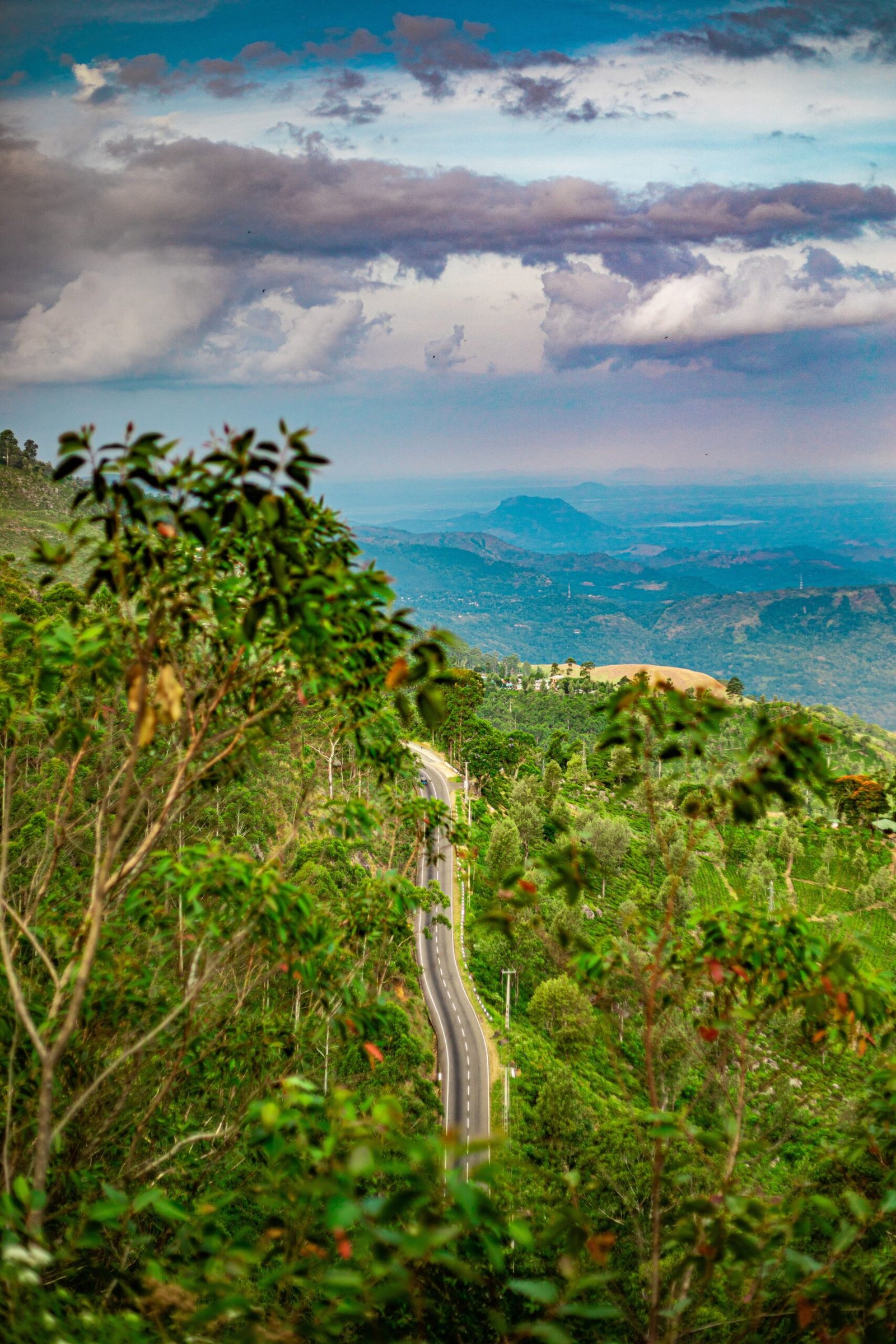
    Sri Lanka’s hill country doesn’t announce itself. You feel it first — the air turning cool at 3,000 feet, the smell of wet tea leaf carrying on the wind, mist pooling in valleys that were rice paddies an hour ago at sea level. Ella sits at the center of this shift, a one-street town that has become the unofficial capital of Sri Lanka’s highlands, and for good reason: nowhere else on the island packs this much scenery, stillness, and quiet luxury into a few square kilometers.

    This is where couples come to get married on a cliff edge at golden hour. Where small corporate teams trade conference rooms for tea-estate verandas. And where independent travelers finally understand what a proper Sri Lanka itinerary is supposed to feel like — unhurried, specific, worth the extra day.

    Why Ella Belongs on Every Sri Lanka Itinerary

    Most travelers arrive in Ella by train, and that’s not an accident — it’s the correct way in. The rail line from Kandy climbs through tea country for six hours, past terraced slopes and eucalyptus forest, before dropping you into a town small enough to walk end to end in fifteen minutes. Ella isn’t trying to be Kandy or Galle. It has no colonial fort, no ancient temple complex. What it has is elevation, light, and a slower clock — which turns out to be exactly what a lot of travelers didn’t know they needed.

    Curated Highlights: Where to Spend Your Time

    Nine Arch Bridge, at the Right Hour

    The bridge itself — a colonial-era railway viaduct arched over dense jungle — is Ella’s most photographed spot, and mid-morning it’s crowded with day-trippers. Skip that window. Go at 6:15am for the first scheduled train, when the light is low and gold and the crowd is a fraction of the size. If you want the shot without a train in it, the small café terraces just above the bridge on the eastern side give you the same angle with breathing room.

    Little Adam’s Peak for Sunset, Ella Rock for the Real Hike

    These two get confused constantly, so here’s the distinction: Little Adam’s Peak is a 45-minute, well-marked walk through tea estates, manageable in sandals, and it’s the better sunset spot — the summit looks straight down the valley toward Ella Gap. Ella Rock is the harder climb, closer to three hours round trip with some unmarked sections through active rail tracks, and it rewards you with a 360-degree view that includes the whole town below. Do Little Adam’s Peak for the evening light. Save Ella Rock for a cooler early morning with proper shoes and a guide if it’s your first time.

    A Tea Estate That Isn’t a Tourist Trap

    Halpewatte Tea Factory, just outside town toward Passara Road, runs proper factory tours that walk you through withering, rolling, and firing rather than just a gift shop pitch. Time it for late morning and pair it with lunch on the estate if you can arrange it — few things clarify what you’re drinking each morning like watching a leaf go from bush to cup in ninety minutes.

    Lush green tea plantation rows in the hill country near Ella, Sri Lanka

    Ravana Falls and the Cave Above It

    Ravana Falls is roadside and easy, which means it’s also busy. The better version of this stop is the climb to Ravana Cave, tied to the Ramayana legend and reached by a steep but short trail with far fewer visitors and a cooler, quieter vantage over the falls from above.

    Ravana Falls cascading down a rock face surrounded by green mountains in Ella, Sri Lanka

    The Ella Gap View, Without the Crowd

    Most of Ella’s viewpoints funnel everyone to the same two or three spots. Ask a local driver about the smaller lookouts west of town — Ella Gap opens up here without another tripod in sight, and it’s one of the few places where you can watch the light change for an hour without moving.

    Misty mountain view over Sri Lanka's highlands near Ella

    The Event & Group Travel Angle

    Ella’s terrain does something that flat coastal resorts can’t: it gives every gathering a natural backdrop that doesn’t need styling.

    • Destination weddings here tend to work best as intimate, view-driven ceremonies — a private estate lawn facing the Gap, or a cliffside terrace timed to golden hour, followed by a smaller reception under string lighting once the temperature drops. Guest counts under 60 suit the venues best; the most scenic properties often sit at the end of narrow estate roads, so access needs scouting in advance.
    • Corporate retreats benefit from the same geography in a different way. Tea-estate bungalows and boutique hillside properties offer genuine meeting space with none of the sterile hotel-conference-room feel, and the surrounding trails double as built-in team activities — a guided walk to Little Adam’s Peak does more for a team than another icebreaker exercise ever will.
    • Small private tours and milestone celebrations — anniversaries, multi-generational family trips, milestone birthdays — also suit Ella’s pace. The town rewards groups who linger for three or four nights rather than passing through, and that’s usually when the best local experiences surface: a home-cooked lunch arranged through a guesthouse owner, a sunrise trek with a guide who knows which viewpoint will be empty that particular morning.

    This is where planning matters more than in most destinations. Ella’s best properties and experiences are small by design, which means availability is genuinely limited — not manufactured urgency, just physical capacity.

    Practical Travel Logistics

    • Getting there: The Kandy–Ella train is scenic but slow (5–7 hours) and seats sell out weeks ahead in reserved class; a private driver takes roughly 4–5 hours and offers more flexibility for stops.
    • Getting around locally: Tuk-tuks and short taxi hops cover the town itself; a hired driver for the day is worth it for estate visits and the harder trailheads.
    • Best season: January to March offers the clearest skies and driest trails; the shoulder months of April and September bring fewer crowds and lush, post-rain greenery, at the cost of occasional afternoon showers.
    • Local etiquette: Dress modestly at any temple or shrine along the trails, ask before photographing estate workers, and expect a slower, more conversational pace of service — it’s part of the region’s rhythm, not a lapse in hospitality.
    • What to pack: Layers. Mornings and evenings at elevation run cool even in dry season, a detail that catches most visitors coming up from the coast off guard.

    Plan It Properly

    Ella rewards travelers and event hosts who don’t try to rush it — but figuring out which viewpoint is worth the 5am wake-up, which estate will actually host your group, and which week avoids both the rain and the crowds takes local knowledge most itineraries online simply don’t have.

    That’s the gap Trailwisp exists to close. Whether you’re building a bespoke Sri Lanka tour around the hill country, planning a cliffside destination wedding, or scouting a corporate retreat venue with real character, our local trip designers can put together an itinerary shaped around your dates, your group size, and your reason for coming.

    Chat on WhatsApp